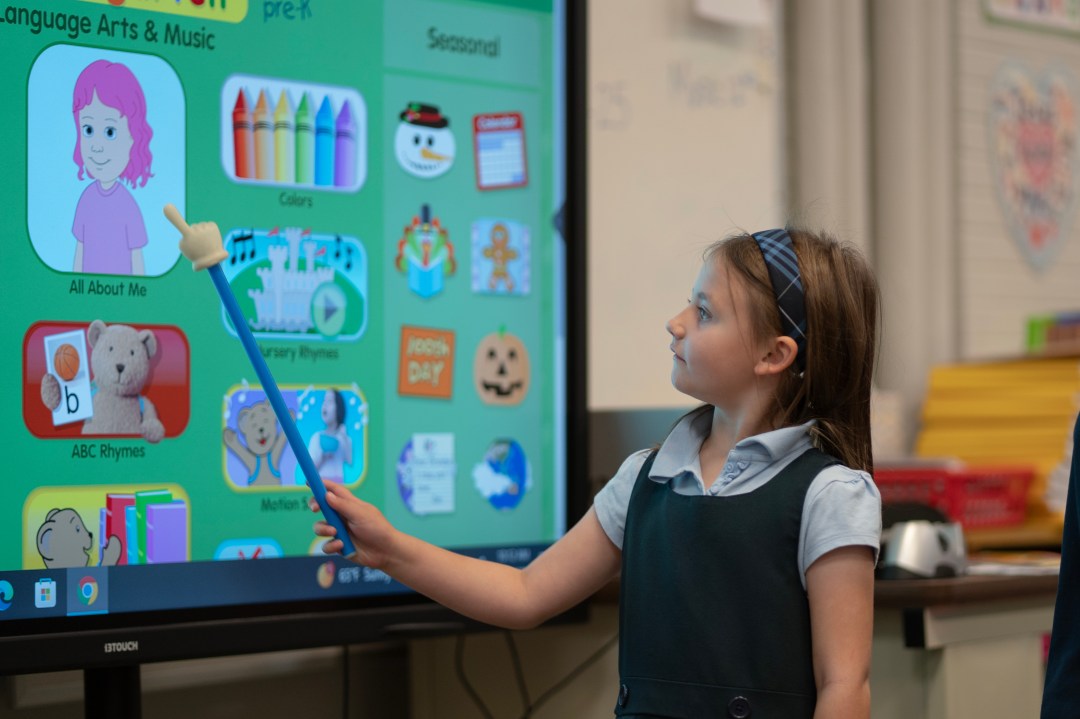
Parents of young children in Catholic schools often feel the squeeze: keeping up with homework and routines while also trying to build a real prayer life and solid character. In the early years, leadership doesn’t look like speeches or trophies, it starts with simple child development milestones like taking turns, using kind words, trying again after a mistake, and noticing who needs help. The tension is that these moments fly by, and it’s easy to focus on grades and behavior while missing the chance to shape the heart. With faith-based parenting, everyday choices can form confident young leaders who lead with service and courage.
What Leadership Looks Like in Kids
Leadership in kids is not about being the loudest or getting picked first. It is the everyday choice to serve, build character, and show courage, even when it feels hard. Put simply, leadership in children shows up as a good example, a willing helper, and a child who owns their choices.
This matters because Catholic family life is built on small, repeated acts of love. When faith is meant to translate into action, kids start to connect prayer with real behavior, like honesty, patience, and kindness. Over time, that connection builds confidence that is rooted in who they are, not just what they achieve.
Picture a child who notices a classmate sitting alone and chooses to include them. Or they admit they forgot homework, then calmly try again with your help. Those moments are leadership practice, shaped by faith and strengthened by habit.
3 Daily Moves: Model, Empower, Hold Accountable
Leadership at home doesn’t have to be a big “teachable moment.” It’s usually built in tiny choices, how we speak, what we expect, and how we help kids follow through with love.
- Model the behavior you want to see (out loud): Pick one leadership trait from your faith, service, courage, honesty, and narrate it in everyday moments. “I’m returning this change because honesty matters,” or “I’m apologizing because I lost my patience.” Kids learn accountability in children starts with watching us take responsibility, not just hearing lectures.
- Give a “you own it” job that actually matters: Choose one daily task that impacts the family (packing lunch, feeding the pet, setting out uniforms) and make your child the lead. Don’t hover, ask for a quick plan: “When are you doing it, and what do you need?” This teaches responsibility without turning you into the constant reminder, and it builds the quiet confidence that leadership is serving others.
- Use a simple routine checklist so independence isn’t a guessing game: If mornings are chaotic, post a visual or written list where kids will see it, and practice it for one week before tweaking. A simple laminated chart with pictures can help younger kids, while a short, written list by their bed works great for older ones. The goal is less “I forgot!” and more “I’ve got this,” which is real independence.
- Offer two good options (and let the choice carry weight): Independence grows when kids get appropriate control. Try: “Homework before snack or after snack?” “Blue shirt or white shirt for Mass?” If they choose, they own the outcome, so when the choice goes badly, you can calmly say, “That didn’t work. What will you do differently tomorrow?”
- Hold accountable with a quick, calm repair step: When a responsibility is missed, skip the long speech and use a three-part script: “What happened?” “Who was affected?” “What’s your fix?” Keep the fix small and immediate, rewrite the note, reset the table, apologize, try again. This ties leadership to character: we mess up, we repair, we grow.
Do one daily “service minute” as a family: Set a timer for 60 seconds after dinner and everyone helps someone else, wipe the counter, put away a sibling’s shoes, and make tomorrow’s snack. Name it as service: “We lead by helping.” It’s simple, but it trains kids to notice needs and respond, which is what leadership looks like in real life.
Faith-Rooted Habits That Build Leadership
Confidence forms when kids practice making choices, following through, and reflecting with God in the middle of ordinary life. These simple routines help you support Catholic education at home because they connect faith, character, and responsibility in ways you can repeat.
Two-Minute Morning Offering
- What it is: Say a short intention together and name one way to serve today.
- How often: Daily
- Why it helps: It sets purpose before pressure and frames leadership as love in action.
Screen-Free Family Table Check-In
- What it is: Eat together and ask one “win” and one “need help” question.
- How often: 3 times weekly
- Why it helps: families that eat together often build stronger connections for teamwork and encouragement.
Sunday Goal and Schedule Huddle
- What it is: Choose one school goal, one faith goal, and a first step.
- How often: Weekly
- Why it helps: It makes goal setting for kids concrete and easier to follow.
HOPE Decision Pause
- What it is: Use the HOPE framework to ask if a choice builds relationships and growth.
- How often: Per tough decision
- Why it helps: Kids learn decision-making habits that are both thoughtful and compassionate.
Friday Gratitude and Repair
- What it is: Share one gratitude, then fix one lingering conflict with a simple apology.
- How often: Weekly
Why it helps: It normalizes reflection, forgiveness, and starting fresh.
Common Questions Parents Ask About Faith-Filled Leadership
Q: How can parents model leadership qualities effectively in daily family life?
A: Keep it simple: let your child see you pray, apologize, and follow through when it is hard. Choose one “family job” you do with care, like showing up on time or speaking kindly, and name it as service. Remember that faith-based parenting means faith shapes your choices, not just your words.
Q: What are some practical ways to encourage children to make their own decisions without feeling overwhelmed?
A: Offer two good options and a short time limit, like “Homework first or laundry first?” Then ask, “What is your first step?” If they freeze, shrink the decision and remind them God is with them as they try.
Q: How can setting goals with children help them develop a sense of responsibility and confidence?
A: Goals turn pressure into a plan, especially when you keep them small and specific. Pick one academic goal and one faith goal, then let your child choose the first action. Celebrate effort and review what helped, not just the final result.
Q: What strategies can parents use to teach children conflict-resolution skills in a supportive way?
A: Teach a short script and practice it when everyone is calm: “I felt ___ when ___; next time, please ___.” Coach kids to name the problem, suggest one fair solution, and end with repair, even a quick apology. Staying gentle and consistent helps them learn courage without shame.Q: What steps can parents take if they feel stuck in supporting their child’s development and want to gain deeper skills to guide and lead within their home or community?
A: Start by picking one skill to build, like calmer discipline, better communication, or faith talks, and ask for support from trusted mentors at school or parish. If you want structured growth, programs like parent advocacy & leadership cohorts can strengthen your leadership and advocacy skills over time; and for parents who are also educators stepping into formal school leadership, a master’s in educational leadership online can build the administrative skills that support students and families well. You do not need perfection, just a willing heart and a next step.
Grow Confident Leaders with Faith, Habits, and Encouragement
Between homework pressure, friend drama, and big feelings, it’s easy to wonder how your child can lead without losing their faith or their footing. The steady approach is simple: keep faith at the center, practice one leadership technique at a time, and offer consistent parental encouragement instead of expecting perfection. When families stick with that mindset, kids start noticing leadership skill progress in everyday moments, speaking up kindly, trying again after a mistake, and motivating children around them. Small, faithful habits build confident leaders over time. Choose one skill to practice this week and cheer the smallest win you see. That kind of steady support grows resilience, connection, and calm confidence that lasts well beyond the school year.
Greg Moro
badparentingadvice.com
For the past nine years Blessed Trinity Academy has been educating children to achieve their fullest potential and become leaders within their communities. We offer unique and dynamic learning environments that engage students and encourage them to become confident and responsible adults. To learn more about what makes us different, contact us today or visit our website at www.btacademy.net.


