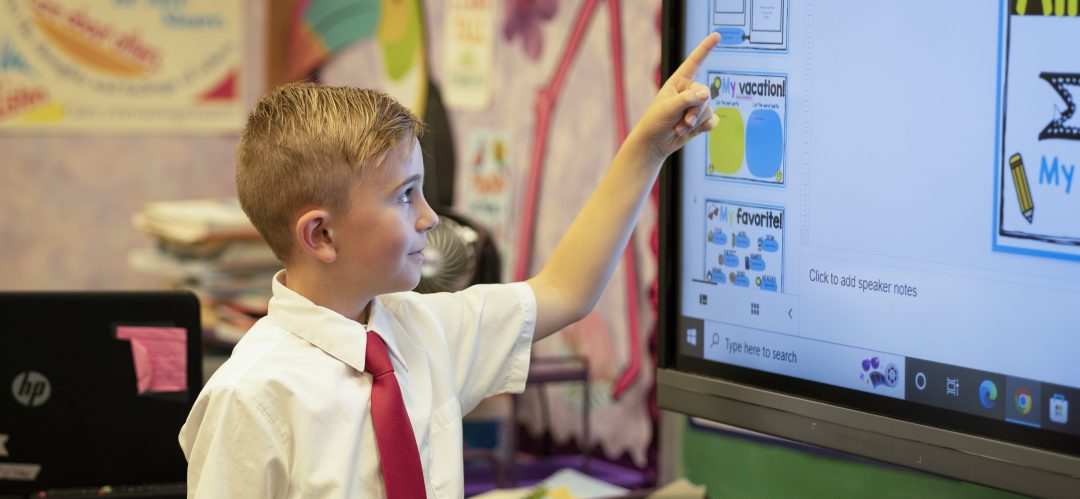
Parents of young children, who are raising Catholic school students, know the daily tug-of-war: homework, practices, family time, and faith life can turn learning into one more thing to push through. Meanwhile, childhood curiosity shows up in a thousand questions, and it can get squashed when the focus shifts to performance, pressure, or staying on schedule. The good news is that a parent’s role in education isn’t about having all the answers; it’s about shaping an engaged learning environment where it feels safe to wonder. With the right mindset, ordinary days can help kids grow into self-motivated learners.
Understanding Intrinsic Motivation at Home
Intrinsic motivation is when kids learn because they want to, not because they fear
consequences or chase rewards. In early childhood, interest often starts as play and “why”
questions, and it grows into practice and persistence when a child believes intelligence can
improve over time. This matters because pressure can make school and faith feel like chores instead of invitations. When children feel emotionally safe to wonder, they stay more engaged, and that matters in a world where 46 percent say student engagement has declined.
Picture your child stuck on math and then asking a big question about God at dinner. A growth mindset response sounds like, “Not yet, let’s try another way,” and “That’s a good question, what do you think?”
Build a Learning-Rich Home in 20 Minutes
You don’t need a Pinterest-perfect playroom to raise curious kids. A few small “set it and forget it” setups can make your home feel like a safe place to wonder, try, and learn, without you having to entertain 24/7.
- Create one “yes space” for curiosity: Pick a corner of the kitchen, dining room, or
hallway and make it the spot where learning materials live and kids are allowed to touch. A small basket with blank paper, pencils, crayons, scissors, and tape goes a long way,
especially when kids feel safe to experiment without getting in trouble for making a
mess. Many families find a learning-rich space works best when it’s comfortable and
stocked with basics, not fancy.
- Set up a 10-book “grab-and-go” mini library: Pull 10 children’s books from your
shelves (or the last library haul) and stack them in two piles: “easy favorites” and “stretch books.” Keep the pile where your child naturally lands, near the couch, by their bed, or even beside the breakfast table. Rotating just a few books weekly keeps novelty high, which helps intrinsic motivation because kids feel like they’re choosing something new.
- Build a simple “quiet exploration” bin with open-ended materials: Grab a shoebox
or lidded bin and fill it with creative play materials: sticky notes, index cards, a ruler,
yarn, old buttons, paper clips, and a small notepad. The goal is not a craft project, it’s
tinkering, inventing, sorting, labeling, and “What happens if I…?” play. When kids can
follow their own ideas, they practice the growth mindset muscle you want at home.
- Choose educational toys that do more than one job: Pick 2–3 educational toys that
can be used a bunch of different ways (building pieces, simple puzzles, magnetic tiles,
pattern blocks, pretend-play sets). Store them on an open shelf at kid height and put the
rest away so choices feel manageable, not overwhelming. Toys that support fine-motor
skills and problem-solving can be especially helpful; some examples are designed to
enhance fine motor skills while still feeling like play.
- Add one “faith + curiosity” basket to your routine spaces: Keep a small basket with
a kid-friendly Bible or saint book, a rosary they’re allowed to handle, prayer cards, and a notebook for questions (“Why do we fast?” “What’s a saint?”). Put it where you already pause, near the spot you drink coffee or where backpacks land. When their questions have a home, kids learn that faith is something they can explore, not just memorize.
- Make exploratory resources visible, not buried: Do a 5-minute sweep: put the
magnifying glass, map/globe, measuring cups, and nature journal where kids can
actually see them. Even sticking a simple “wonder tray” on a shelf, pinecone, rock, leaf,
shell, invites observation and conversation. Visible tools gently nudge kids toward self-
started learning, which is exactly what you want on busy weekdays.
Small Weekly Rhythms for Learning and Faith
Habits beat hype, especially when you are building Catholic learning at home. These simple
practices make curiosity and prayer feel normal, so your kids grow confident exploring asking faith questions over time.
Two-Minute Wonder Question
● What it is: Ask one open question at meals: “What surprised you today?”
● How often: Daily
● Why it helps: It trains reflection and shows their thoughts matter.
Ten-Minute Read-Aloud + Chat
● What it is: Read together, then ask “What would you do next?”
● How often: Daily
● Why it helps: Conversation builds comprehension and a love of stories.
Saint-of-the-Week Spotlight
- What it is: Pick one saint and share one virtue you want to copy.
● How often: Weekly
● Why it helps: Kids connect holiness to real-life habits.
One Hands-On “Try It” Block
- ● What it is: Do a mini experiment, build, cook, or sketch from a question.
- ● How often: Weekly
- ● Why it helps: Action turns interest into durable learning.
Specific Praise on the Spot
Common Questions Parents Ask (and Real Answers)
Q: How can I keep my child’s natural curiosity alive without feeling overwhelmed by all the learning options?
A: Pick one “anchor” each week: a question, a story, or a saint, and let everything else be optional. When you feel swamped, choose the smallest next step, like a library trip or one kitchen experiment. Curiosity grows from consistency, not a perfect plan.
Q: What are simple ways to create a home environment that inspires ongoing explorationand creativity?
A: Set up one small “yes space” where mess is allowed: paper, markers, tape, and a basket for nature finds. Keep a faith corner with a Bible, a candle, and a place for prayer intentions so wonder and worship feel connected. Rotate one object weekly, like a holy card or a seashell, to spark questions.
Q: How do I recognize when my child feels stuck or uninspired in their learning journey, and how can I help?
A: Watch for avoidance, quick frustration, or saying “I’m bad at this,” especially with tasks they used to enjoy. Start with empathy, then ask what feels hard: the skill, the pressure, or the topic. When concerns persist, the child’s teacher is one of the best resources for noticing patterns and suggesting support.
Q: What positive reinforcement strategies help build my child’s motivation and confidence?
A: Praise effort and follow-through, not just results: “You kept going even when it was tricky.” Tie learning to identity and faith: “God gave you a mind that can grow.” Charlotte Mason reminds parents that good habits make days smoother, so celebrate small, repeatable wins.
Q: How can I better organize support and resources for my child when juggling multiple responsibilities at home and school?
A: Make a simple weekly dashboard: top priorities, help needed, and one “nice-to-have” that
can drop if life gets busy. Use a short routine with a checklist, since a morning checklist can
keep everyone on track without constant reminders. If you need more support, schedule one
conversation with a teacher or parish leader and ask for one concrete next step while keeping nontraditional student challenges in mind.
Ending the Day with Faith-Filled Learning Wins That Stick
Some days it feels like school, faith, and family life are all competing for attention, and the push to stay motivated can turn into nagging fast. The mindset here is simple: steady parentalencouragement plus small, realistic rhythms build lifelong learning habits and a calmer family learning culture. When that’s in place, kids start nurturing curiosity on their own, and motivation in children comes more from confidence than pressure. Small wins, named out loud, becomethe habit of loving to learn. Tonight, you can end the day by saying, “We learned something today,” and letting each kid share one little discovery, school, life, or faith. Those tiny moments add up to resilient learners who feel connected, grounded, and ready for what comes next.
By Greg Moro
Bad Parenting Advice
Parents of young children, who are raising Catholic school students, know the daily tug-of-war: homework, practices, family time, and faith life can turn learning into one more thing to push through. Meanwhile, childhood curiosity shows up in a thousand questions, and it can get squashed when the focus shifts to performance, pressure, or staying on schedule. The good news is that a parent’s role in education isn’t about having all the answers; it’s about shaping an engaged learning environment where it feels safe to wonder. With the right mindset, ordinary days can help kids grow into self-motivated learners.
Understanding Intrinsic Motivation at Home
Intrinsic motivation is when kids learn because they want to, not because they fear
consequences or chase rewards. In early childhood, interest often starts as play and “why”
questions, and it grows into practice and persistence when a child believes intelligence can
improve over time. This matters because pressure can make school and faith feel like chores instead of invitations. When children feel emotionally safe to wonder, they stay more engaged, and that matters in a world where 46 percent say student engagement has declined.
Picture your child stuck on math and then asking a big question about God at dinner. A growth mindset response sounds like, “Not yet, let’s try another way,” and “That’s a good question, what do you think?”
Build a Learning-Rich Home in 20 Minutes
You don’t need a Pinterest-perfect playroom to raise curious kids. A few small “set it and forget it” setups can make your home feel like a safe place to wonder, try, and learn, without you having to entertain 24/7.
- Create one “yes space” for curiosity: Pick a corner of the kitchen, dining room, or
hallway and make it the spot where learning materials live and kids are allowed to touch. A small basket with blank paper, pencils, crayons, scissors, and tape goes a long way, especially when kids feel safe to experiment without getting in trouble for making a mess. Many families find a learning-rich space works best when it’s comfortable and
stocked with basics, not fancy.
- Set up a 10-book “grab-and-go” mini library: Pull 10 children’s books from your
shelves (or the last library haul) and stack them in two piles: “easy favorites” and “stretch books.” Keep the pile where your child naturally lands, near the couch, by their bed, or even beside the breakfast table. Rotating just a few books weekly keeps novelty high, which helps intrinsic motivation because kids feel like they’re choosing something new.
- Build a simple “quiet exploration” bin with open-ended materials: Grab a shoebox
or lidded bin and fill it with creative play materials: sticky notes, index cards, a ruler,
yarn, old buttons, paper clips, and a small notepad. The goal is not a craft project, it’s
tinkering, inventing, sorting, labeling, and “What happens if I…?” play. When kids can
follow their own ideas, they practice the growth mindset muscle you want at home.
- Choose educational toys that do more than one job: Pick 2–3 educational toys that
can be used a bunch of different ways (building pieces, simple puzzles, magnetic tiles,
pattern blocks, pretend-play sets). Store them on an open shelf at kid height and put the
rest away so choices feel manageable, not overwhelming. Toys that support fine-motor
skills and problem-solving can be especially helpful; some examples are designed to
enhance fine motor skills while still feeling like play.
- Add one “faith + curiosity” basket to your routine spaces: Keep a small basket with
a kid-friendly Bible or saint book, a rosary they’re allowed to handle, prayer cards, and a notebook for questions (“Why do we fast?” “What’s a saint?”). Put it where you already pause, near the spot you drink coffee or where backpacks land. When their questions have a home, kids learn that faith is something they can explore, not just memorize.
- Make exploratory resources visible, not buried: Do a 5-minute sweep: put the
magnifying glass, map/globe, measuring cups, and nature journal where kids can
actually see them. Even sticking a simple “wonder tray” on a shelf, pinecone, rock, leaf, shell, invites observation and conversation. Visible tools gently nudge kids toward self- started learning, which is exactly what you want on busy weekdays.
Small Weekly Rhythms for Learning and Faith
Habits beat hype, especially when you are building Catholic learning at home. These simple
practices make curiosity and prayer feel normal, so your kids grow confident exploring ideas and asking faith questions over time.
Two-Minute Wonder Question
● What it is: Ask one open question at meals: “What surprised you today?”
● How often: Daily
● Why it helps: It trains reflection and shows their thoughts matter.
Ten-Minute Read-Aloud + Chat
● What it is: Read together, then ask “What would you do next?”
● How often: Daily
● Why it helps: Conversation builds comprehension and a love of stories.
Saint-of-the-Week Spotlight
- What it is: Pick one saint and share one virtue you want to copy.
● How often: Weekly
● Why it helps: Kids connect holiness to real-life habits.
One Hands-On “Try It” Block
- ● What it is: Do a mini experiment, build, cook, or sketch from a question.
- ● How often: Weekly
- ● Why it helps: Action turns interest into durable learning.
Specific Praise on the Spot
Common Questions Parents Ask (and Real Answers)
Q: How can I keep my child’s natural curiosity alive without feeling overwhelmed by all the learning options?
A: Pick one “anchor” each week: a question, a story, or a saint, and let everything else be optional. When you feel swamped, choose the smallest next step, like a library trip or one kitchen experiment. Curiosity grows from consistency, not a perfect plan.
Q: What are simple ways to create a home environment that inspires ongoing explorationand creativity?
A: Set up one small “yes space” where mess is allowed: paper, markers, tape, and a basket for nature finds. Keep a faith corner with a Bible, a candle, and a place for prayer intentions so wonder and worship feel connected. Rotate one object weekly, like a holy card or a seashell, to spark questions.
Q: How do I recognize when my child feels stuck or uninspired in their learning journey, and how can I help?
A: Watch for avoidance, quick frustration, or saying “I’m bad at this,” especially with tasks they used to enjoy. Start with empathy, then ask what feels hard: the skill, the pressure, or the topic. When concerns persist, the child’s teacher is one of the best resources for noticing patterns and suggesting support.
Q: What positive reinforcement strategies help build my child’s motivation and confidence?
A: Praise effort and follow-through, not just results: “You kept going even when it was tricky.” Tie learning to identity and faith: “God gave you a mind that can grow.” Charlotte Mason reminds parents that good habits make days smoother, so celebrate small, repeatable wins.
Q: How can I better organize support and resources for my child when juggling multiple responsibilities at home and school?
A: Make a simple weekly dashboard: top priorities, help needed, and one “nice-to-have” that can drop if life gets busy. Use a short routine with a checklist, since a morning checklist can keep everyone on track without constant reminders. If you need more support, schedule one conversation with a teacher or parish leader and ask for one concrete next step while keeping nontraditional student challenges in mind.
Ending the Day with Faith-Filled Learning Wins That Stick
Some days it feels like school, faith, and family life are all competing for attention, and the push to stay motivated can turn into nagging fast. The mindset here is simple: steady parentalencouragement plus small, realistic rhythms build lifelong learning habits and a calmer family learning culture. When that’s in place, kids start nurturing curiosity on their own, and motivation in children comes more from confidence than pressure. Small wins, named out loud, becomethe habit of loving to learn. Tonight, you can end the day by saying, “We learned something today,” and letting each kid share one little discovery, school, life, or faith. Those tiny moments add up to resilient learners who feel connected, grounded, and ready for what comes next.
By Greg Moro
Bad Parenting Advice
For the past nine years Blessed Trinity Academy has been educating children to achieve their fullest potential and become leaders within their communities. We offer unique and dynamic learning environments that engage students and encourage them to become confident and responsible adults. To learn more about what makes us different, contact us today or visit our website at www.btacademy.net.